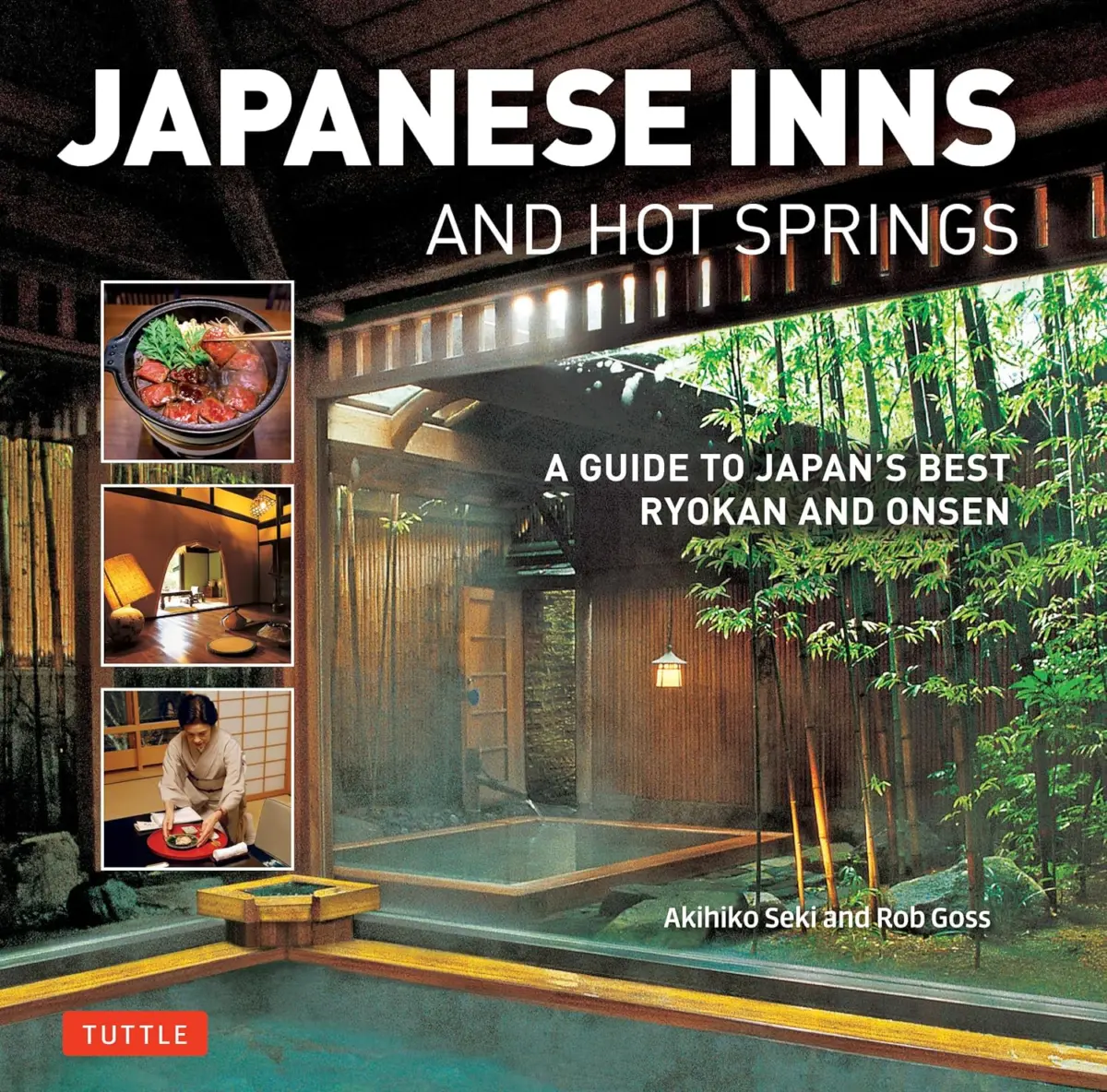
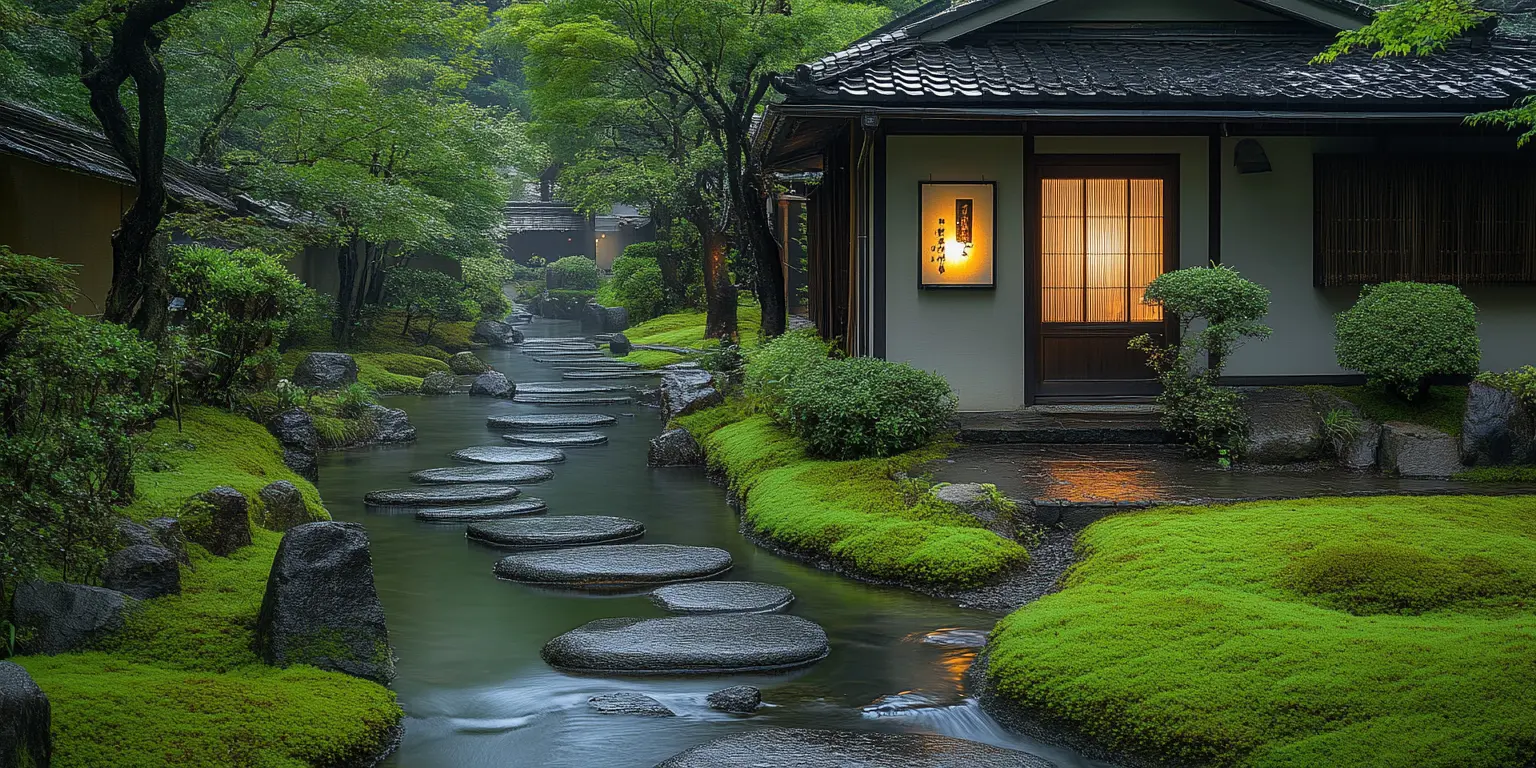
Staying at a ryokan, a traditional Japanese inn, is a unique way to experience Japan’s culture and hospitality.
You’ll sleep on tatami mats, enjoy kaiseki meals, and relax in hot springs (onsen).
This Ryokan Beginner’s Guide will help you choose the perfect ryokan and make the most of your stay.
What Is a Ryokan?
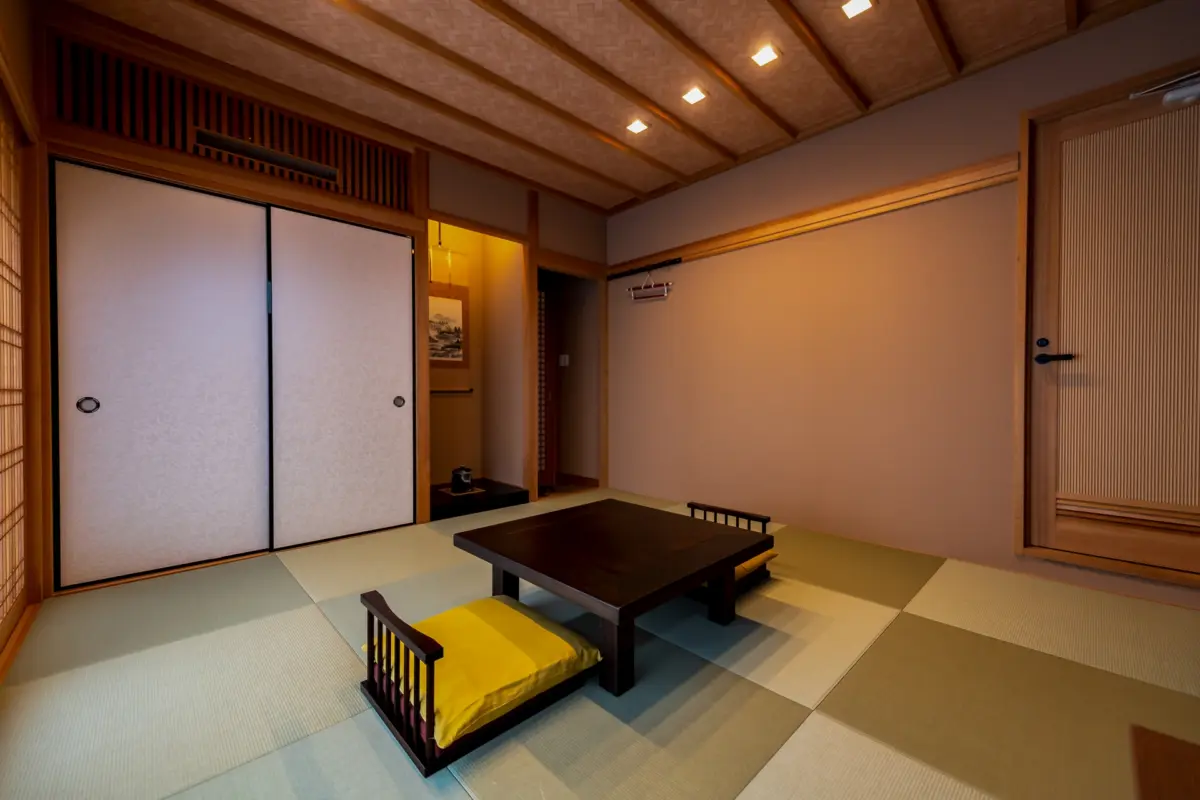
A ryokan is a traditional Japanese inn that offers a peaceful escape from busy city life.
It typically features tatami-matted rooms, futons, and natural hot springs.
Staying at a ryokan allows you to experience Japanese traditions up close.
Why Stay at a Ryokan?
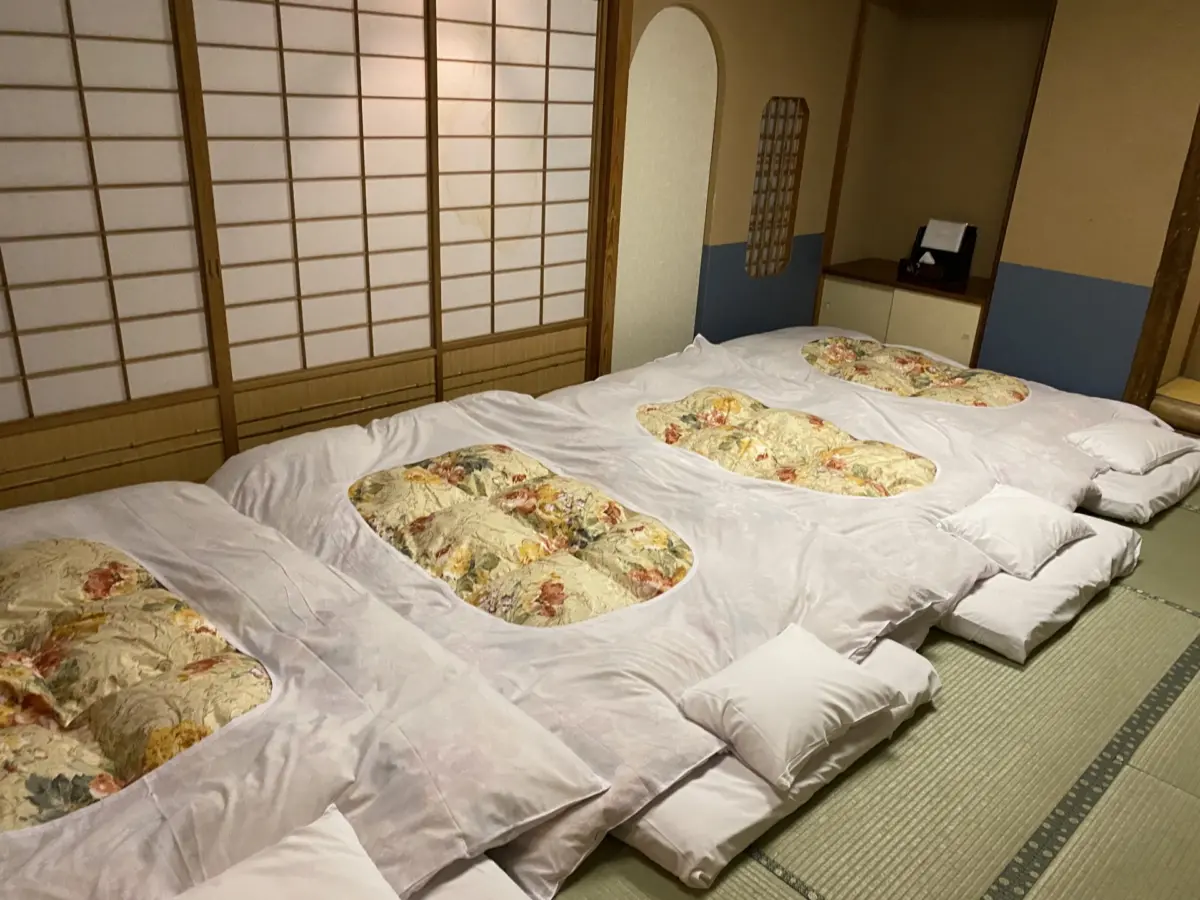
Here are the top reasons to include a ryokan stay in your Japan trip:
- Traditional Rooms: Sleep on futons laid out on tatami mats in serene, minimalist spaces.
- Kaiseki Meals: Savor multi-course dinners made with seasonal and regional ingredients.
- Relaxing Onsen: Many ryokans have hot spring baths, perfect for unwinding after a long day of travel.
How to Choose the Right Ryokan
Location
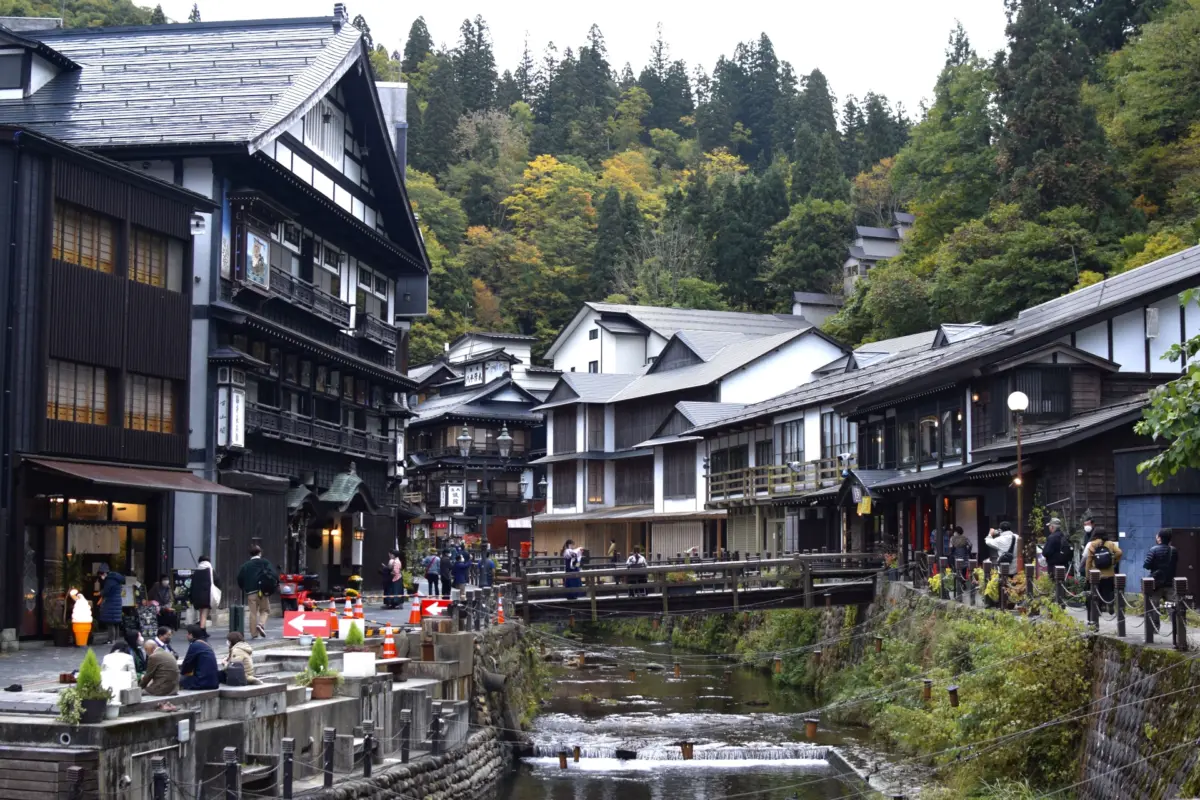
Decide whether you want to stay in a city like Kyoto or a countryside spot like Hakone.
City ryokans offer convenience, while rural ones provide tranquility and stunning views.
Budget
Ryokan prices vary widely. Luxury ryokans can cost over $500 per night, but there are also budget-friendly options starting at $100.
Onsen and Amenities
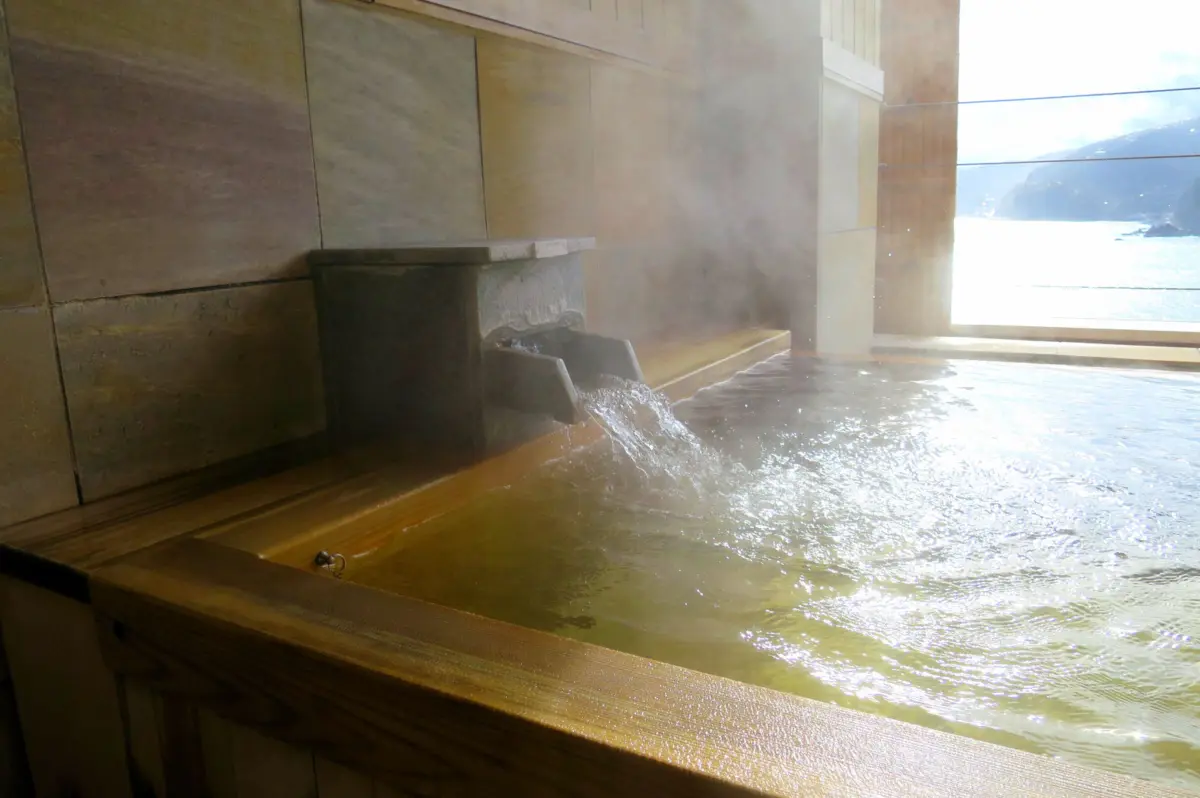
If soaking in hot springs is important, check if the ryokan has private or shared onsen baths.
Food Experience
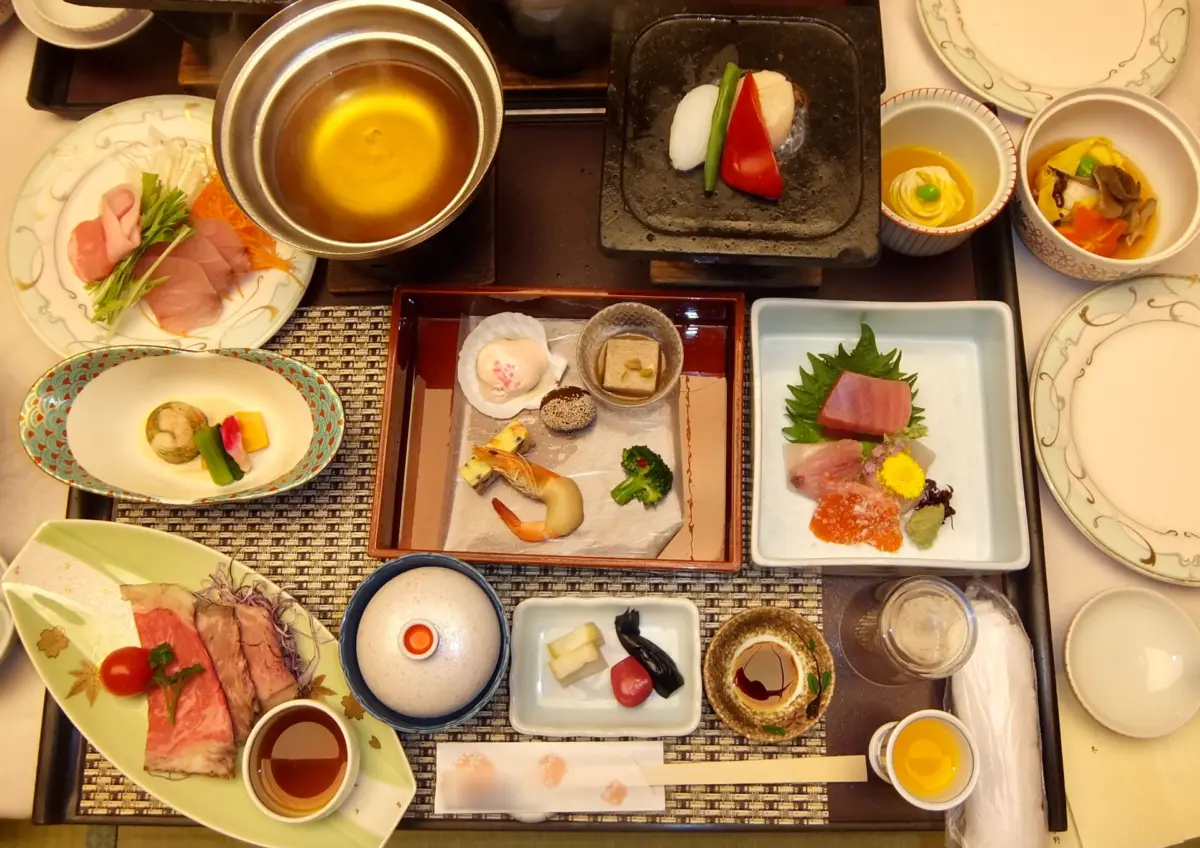
Many ryokan include kaiseki meals, so it’s a good idea to check the official website in advance to see what dishes are served.
If you have allergies or dietary restrictions due to religion, let the ryokan know ahead of time.
Etiquette Tips
Attire
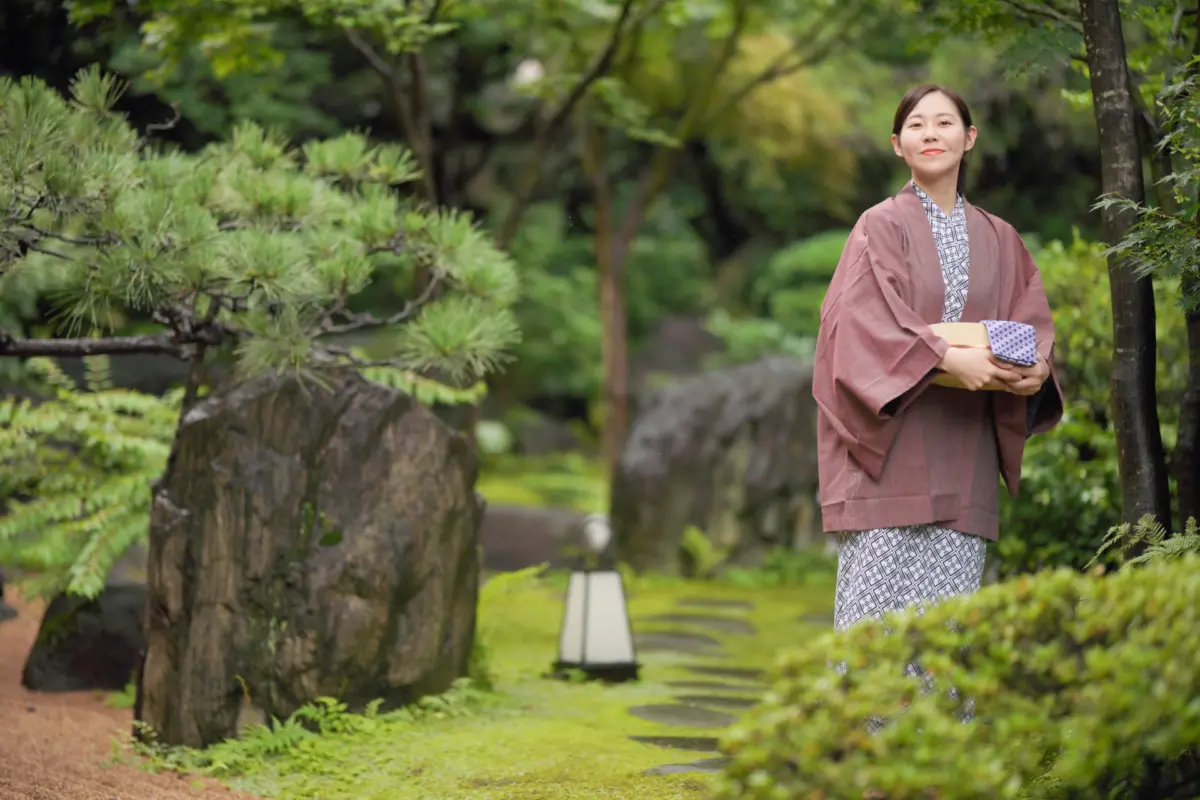
While it’s common to wear the provided yukata (casual kimono) within your room, be mindful of the ryokan’s policy regarding wearing it in common areas.
Some establishments may prefer guests to wear additional layers like a haori (jacket) over the yukata when moving around.
Room Etiquette
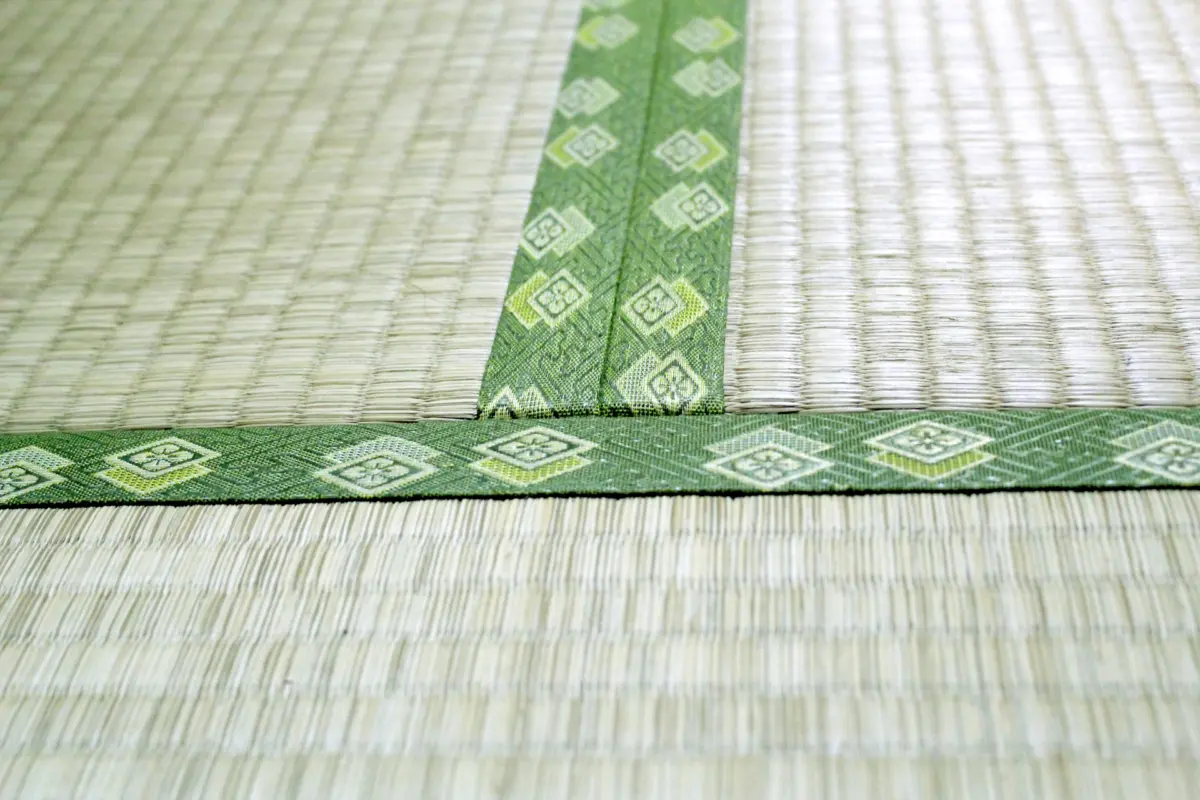
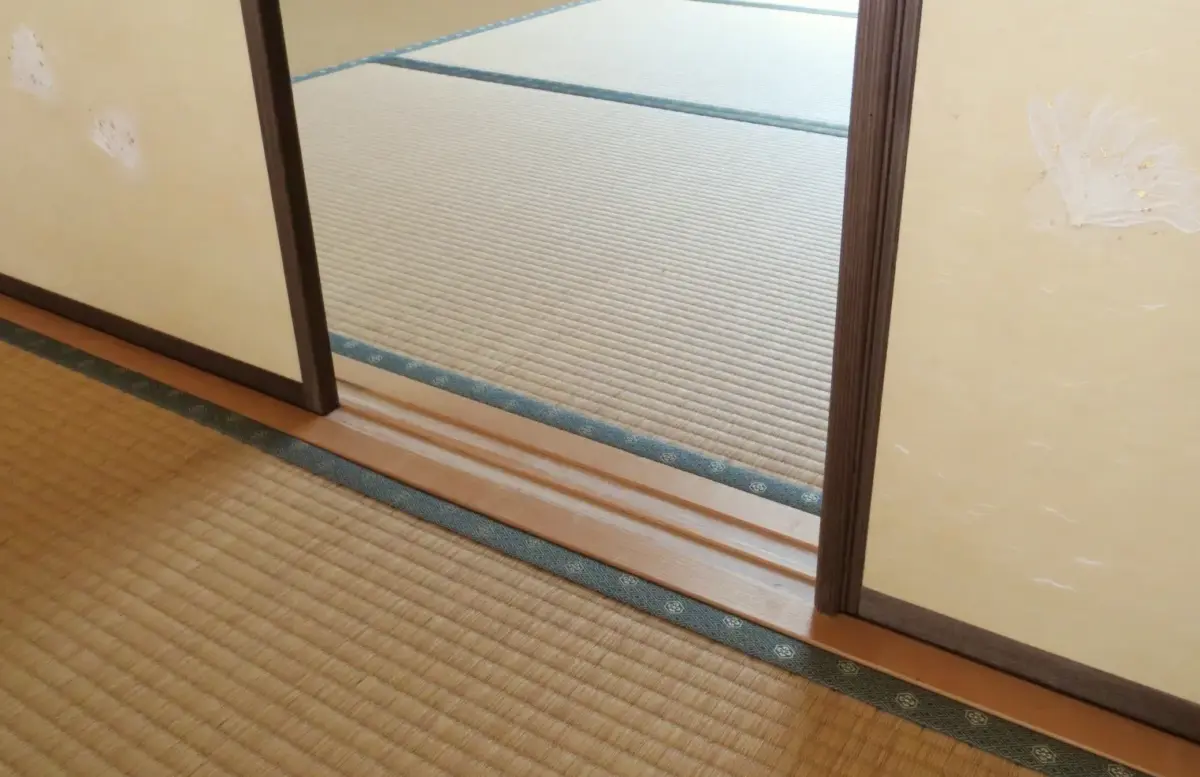
Try not to step on the edges of tatami mats or the wooden thresholds in the room. Here’s why:
- Tatami edges: These are the most delicate part of the mat and can get damaged easily. In the past, tatami edges often had family crests, so stepping on them was seen as disrespectful.
- Thresholds: Stepping on thresholds can cause them to sink or make doors misalign. Some people also believe it’s bad manners because it’s like stepping on the head of the household.
But don’t worry too much! You’re staying at a ryokan to relax and enjoy. Even in Japan, people don’t always follow these rules perfectly.
As a kid, I used to run toy cars along the edges of tatami and thresholds!
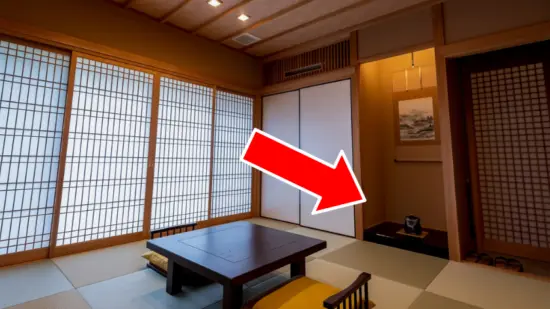
It’s understandable to feel like placing items there, but the tokonoma is meant for decorations like hanging scrolls or flower arrangements.
Avoid putting suitcases or bags in this space.
Onsen Manners
Shower before entering communal baths, and keep towels and long hair out of the water.
These practices are key when visiting an onsen in a ryokan in Japan.
Ryokan Stays for Solo Travelers
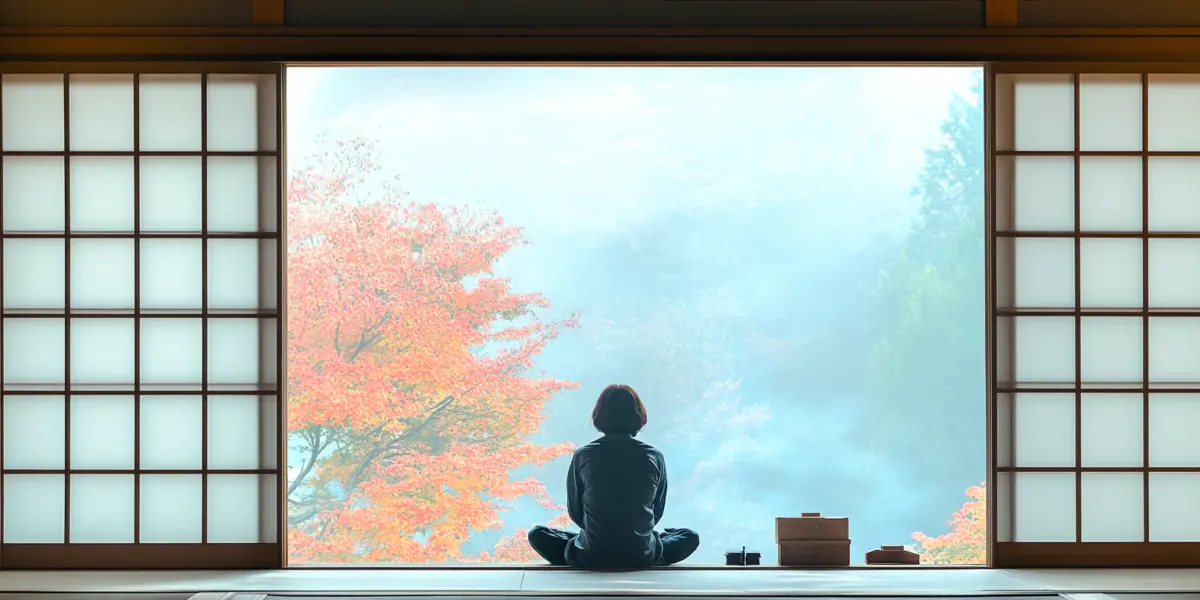
In the past, staying at a ryokan was often considered an experience for families or groups of friends. However, in recent years, more ryokan in Japan have started welcoming solo travelers.
With options tailored to individual guests, such as single-person rooms and personalized services, solo travel at a ryokan has become an increasingly popular way to enjoy Japan’s traditional hospitality in a peaceful and relaxing setting.
Japan’s Number One Ryokan, “Kagaya” in Ishikawa
The ryokan “Kagaya” in Ishikawa has been ranked number one in Japan in the “100 Best Hotels and Ryokan in Japan” selected by professionals.
The evaluation is based on four key categories:
- Hospitality: Attention to detail, service, cleanliness, and guidance.
- Cuisine: Menu, presentation, quality, taste, and portion sizes.
- Facilities: Guestrooms, baths, banquet halls, and overall safety and comfort.
- Planning: Unique features, overall design, special packages, and product development.
Recommended Ryokan in Kyoto
1. Hoshinoya Kyoto (Luxury)
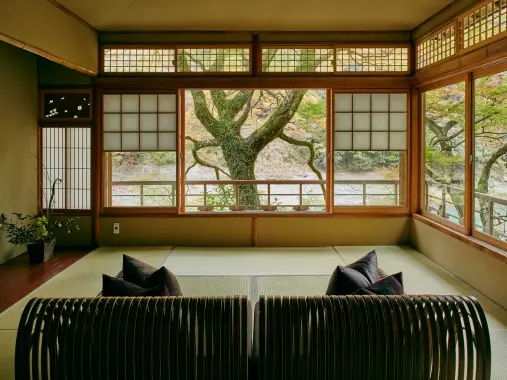
Experience exclusive riverside luxury with elegant tatami rooms, boat rides, and seasonal kaiseki meals. This is a prime example of a high-end ryokan in Japan.
2. Nanzenji Garden Ryokan Yachiyo (Mid-Range)
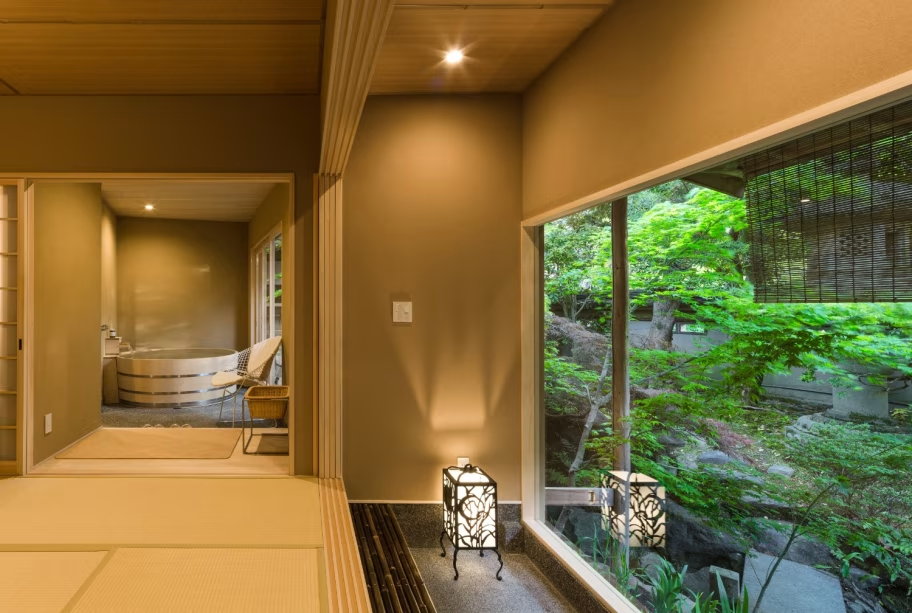
Located near Nanzen-ji Temple, this ryokan offers a blend of tradition and comfort with beautiful kaiseki meals. This is an excellent mid-range ryokan choice in Japan.
3. Ryokan Shimizu (Budget)
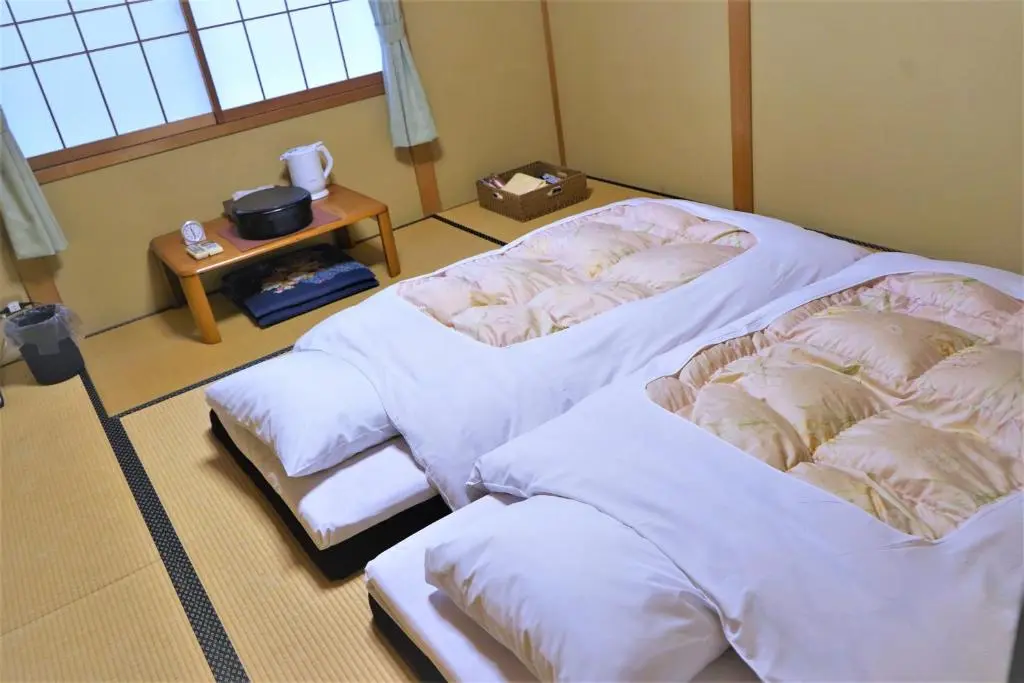
This affordable ryokan in Kyoto features tatami rooms, communal baths, and friendly hospitality. For budget travelers, this ryokan in Japan is a great option.
FAQ
A ryokan is a traditional Japanese inn where you sleep on a futon in a tatami room, while a hotel typically offers beds in Western-style rooms. At most ryokans, you remove your shoes at the entrance and wear room slippers.
Most ryokans have communal baths, and swimsuits are not allowed. However, luxury ryokans often offer rooms with private bathrooms
Ryokans provide essentials like towels, yukata (room wear), toothbrushes, and shampoo. You only need to bring a change of underwear!
Let the ryokan know about your allergies in advance, and they will accommodate your needs. The more upscale the ryokan, the more detailed and careful their service tends to be.